









Empowering Agricultural Innovation through Renewable Energy Integration
Driving Productivity and Efficiency
The fusion of renewable energy with agricultural innovation catalyzes a revolution in farming practices, propelling the sector towards unprecedented levels of productivity and efficiency. Precision agriculture, empowered by renewable energy sources, heralds a new era of data-driven decision-making and resource optimization. Smart farming solutions, leveraging IoT technologies and real-time monitoring, empower farmers to make informed choices, maximizing yields while minimizing environmental impact. As farms evolve into hubs of technological innovation and renewable energy generation, the agricultural sector emerges as a beacon of sustainability and progress in a rapidly changing world.
Enhancing Sustainability and Resilience
Beyond mere economic gains, the marriage of renewable energy and farming embodies a commitment to environmental stewardship and sustainable practices. Agriculture, often vulnerable to the vagaries of climate change, finds solace in renewable energy’s ability to mitigate carbon emissions and bolster resilience. Solar-powered irrigation systems optimize water usage, while wind energy diversifies energy portfolios, reducing reliance on fossil fuels. As renewable energy technologies permeate the agricultural landscape, a greener, more sustainable future takes root, nurturing not only crops but also ecosystems for generations to come.
Fostering Economic Viability and Community Empowerment
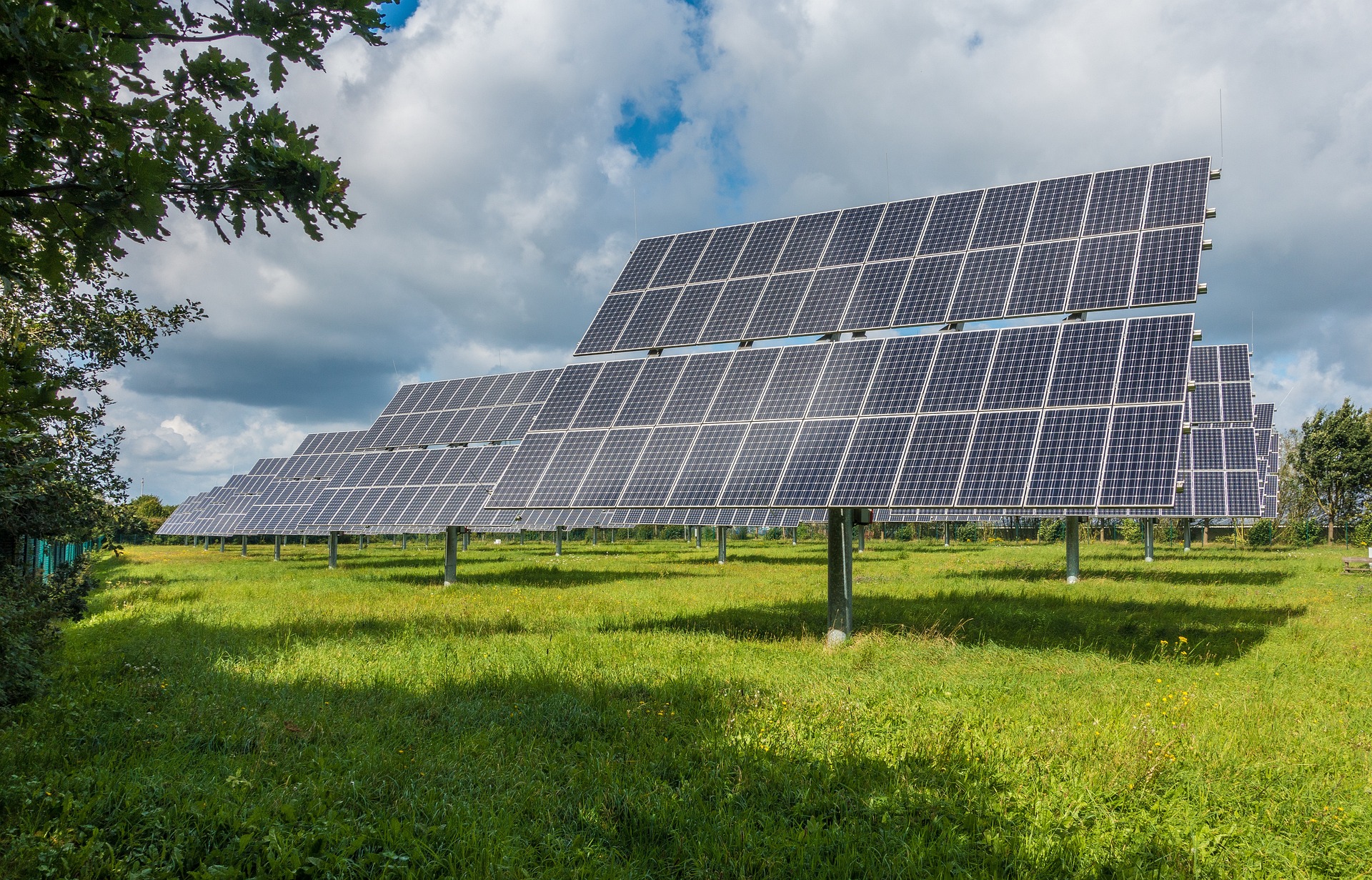
Renewable energy integration in farming operations heralds a new era of economic efficiency, liberating farmers from the shackles of soaring utility bills and volatile fuel prices. By harnessing solar, wind, or biomass energy, farmers can cultivate their power, significantly reducing dependence on conventional energy sources. The financial incentives and subsidies accompanying renewable energy adoption further sweeten the deal, making sustainable energy solutions economically feasible for agricultural communities. As solar panels adorn farm rooftops and wind turbines dot the horizon, the agricultural sector witnesses a paradigm shift towards self-sufficiency and cost-effective energy production.
Conclusion
The integration of renewable energy into farming practices holds immense potential to revolutionize the agricultural sector, offering a myriad of benefits ranging from cost savings and environmental sustainability to community empowerment and technological innovation. As the world seeks sustainable solutions to meet growing energy demands and address the challenges of climate change, renewable energy emerges as a beacon of hope for the future of farming, enabling farmers to cultivate not only crops but also a brighter, greener tomorrow.

Author